The Orissan · Book design, website & social · Penguin Enterprise
Kana khaibu? Ask an Odia grandmother and she is not asking what you will eat. She is asking whether you belong to her yet.
The Orissan came to Enki as a family’s recipes wrapped inside a far larger idea: a 376-page case that Odisha, 2,500 years of temples, trade and kitchens, was never a footnote. We designed the book, built its home at theorissan.in, and tell its stories on social.
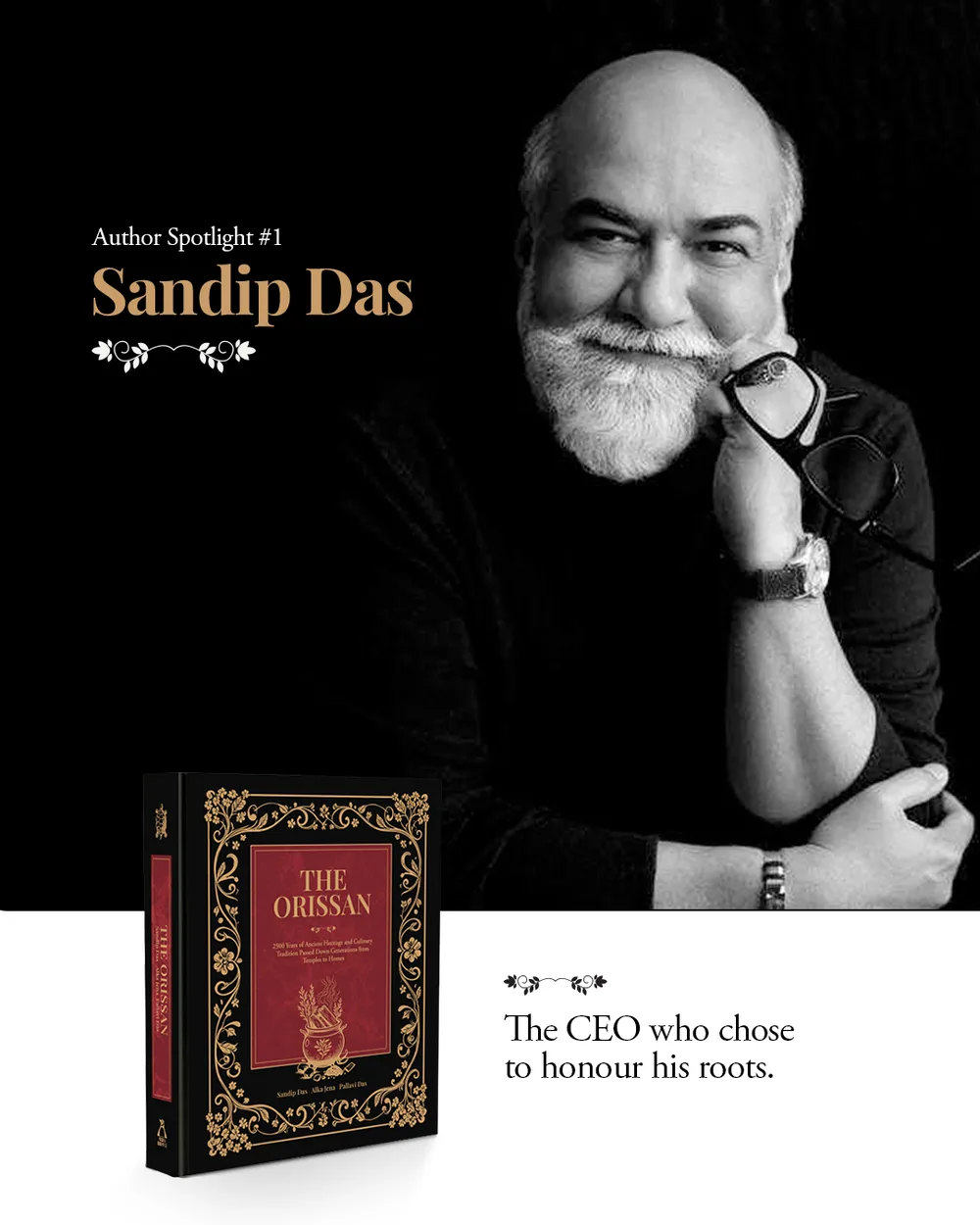
Sandip Das, a former telecom CEO, set out to write down the recipes his family had only carried in memory. Two years of research turned it into something larger: temple prasad traditions, the sea routes of ancient Kalinga, the philosophy carved into Bhubaneswar’s temples.
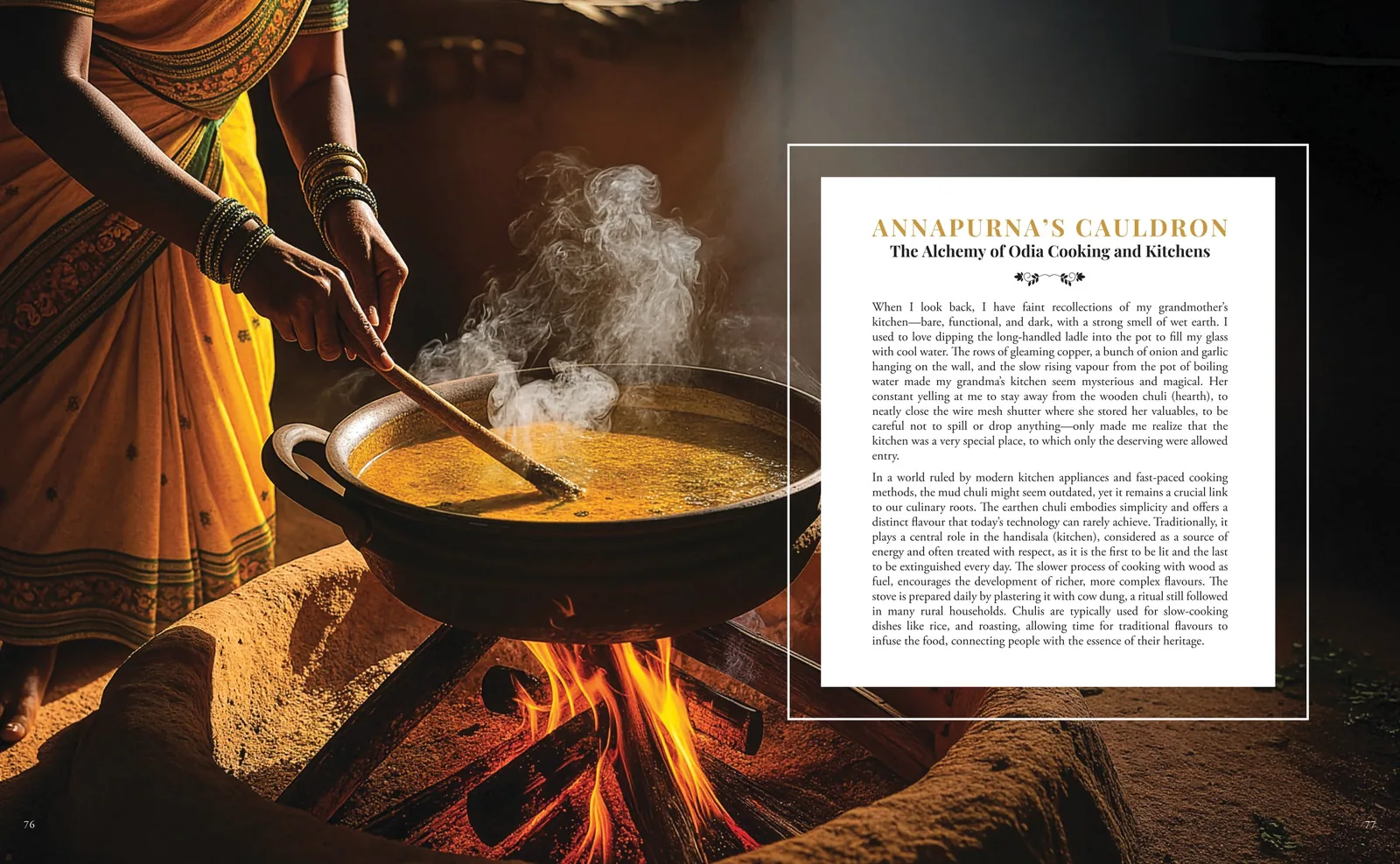
Our job was to give that scale a design without losing the intimacy it started with. A history of an empire and a grandmother’s dalma had to sit on facing pages and feel like the same sentence.
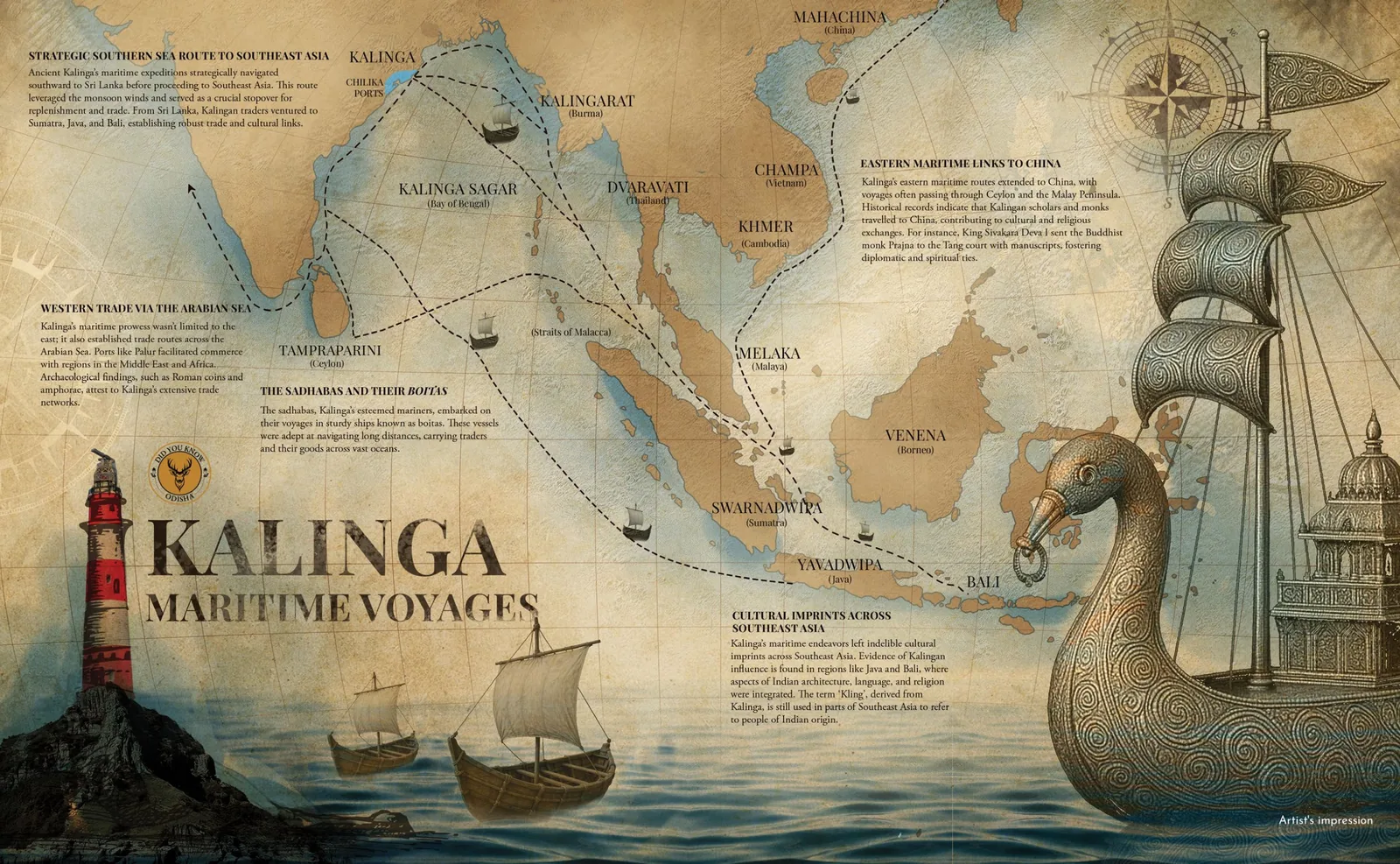
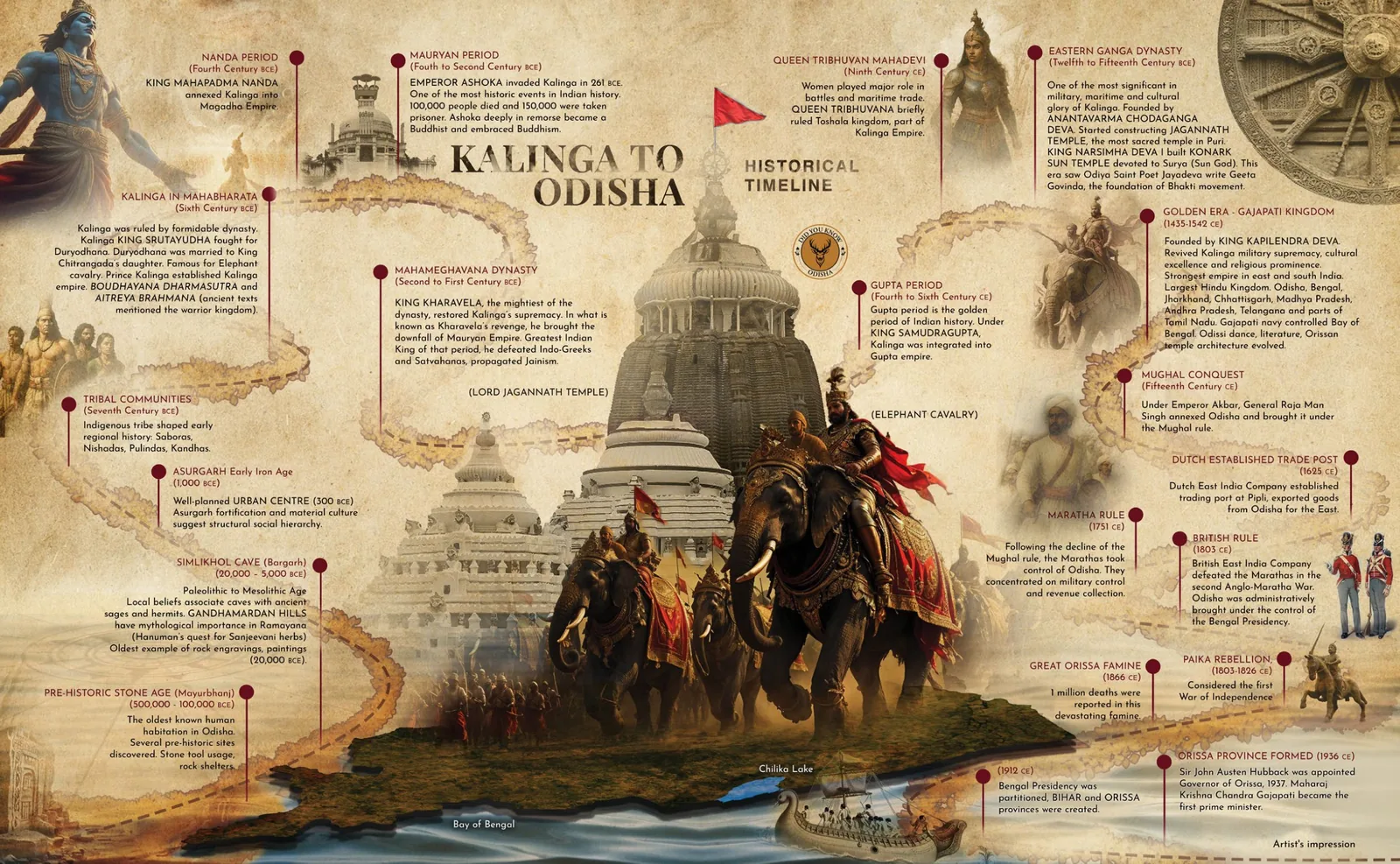
Kalinga to Odisha: 2,500 years mapped as a single illustrated spread.
In Odisha, one bowl can be an offering, a philosophy, a memory and an identity. That became the design principle: every temple chapter, folk legend and recipe headnote shows a civilisation that always knew what it was doing and never felt the need to announce it.

Chapters that read like reclamation, down to a boyhood lesson in choosing fish by the redness of its gills.
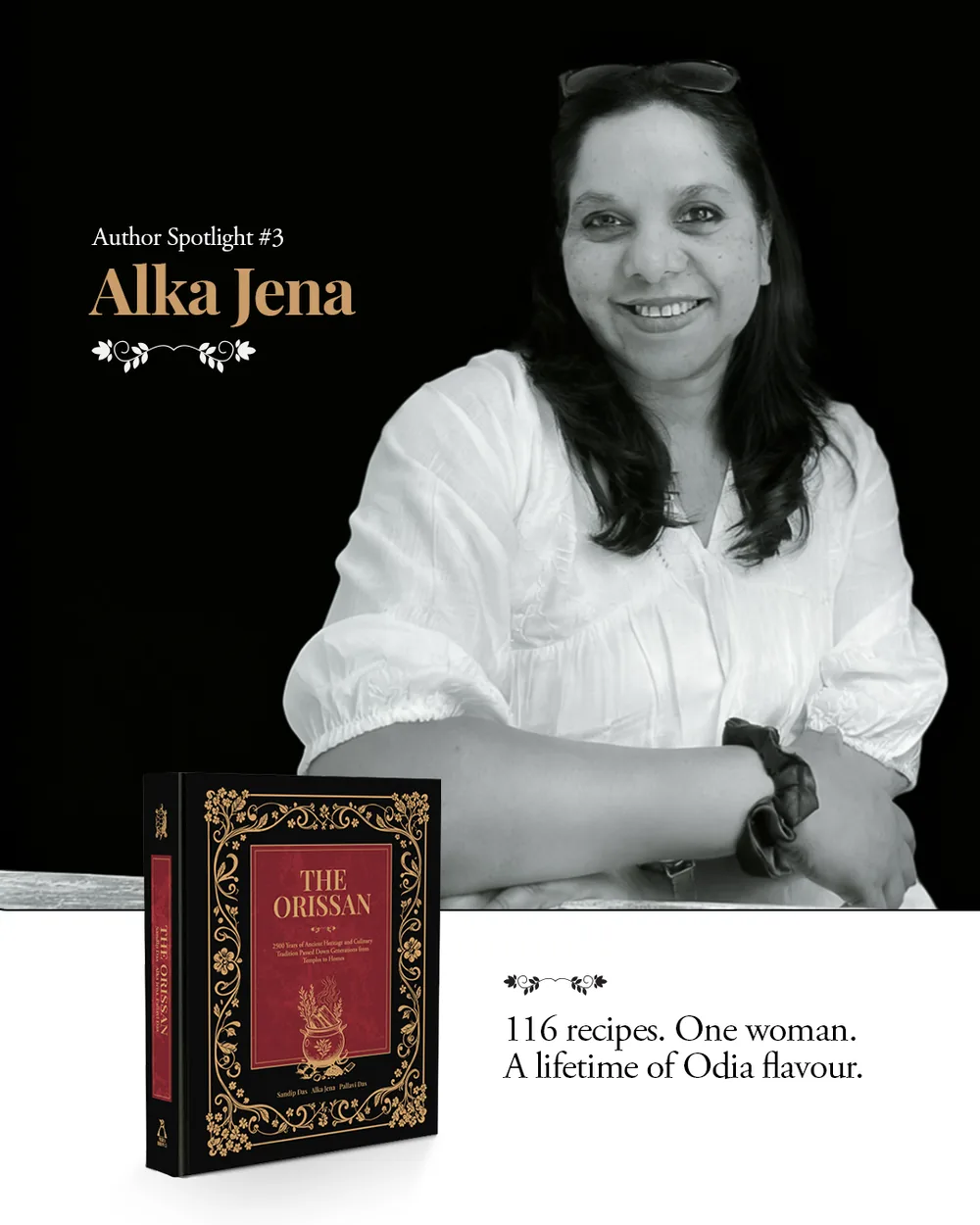
The Bhubaneswar food writer and photographer behind CulinaryXpress, whose recipes read like heirlooms.
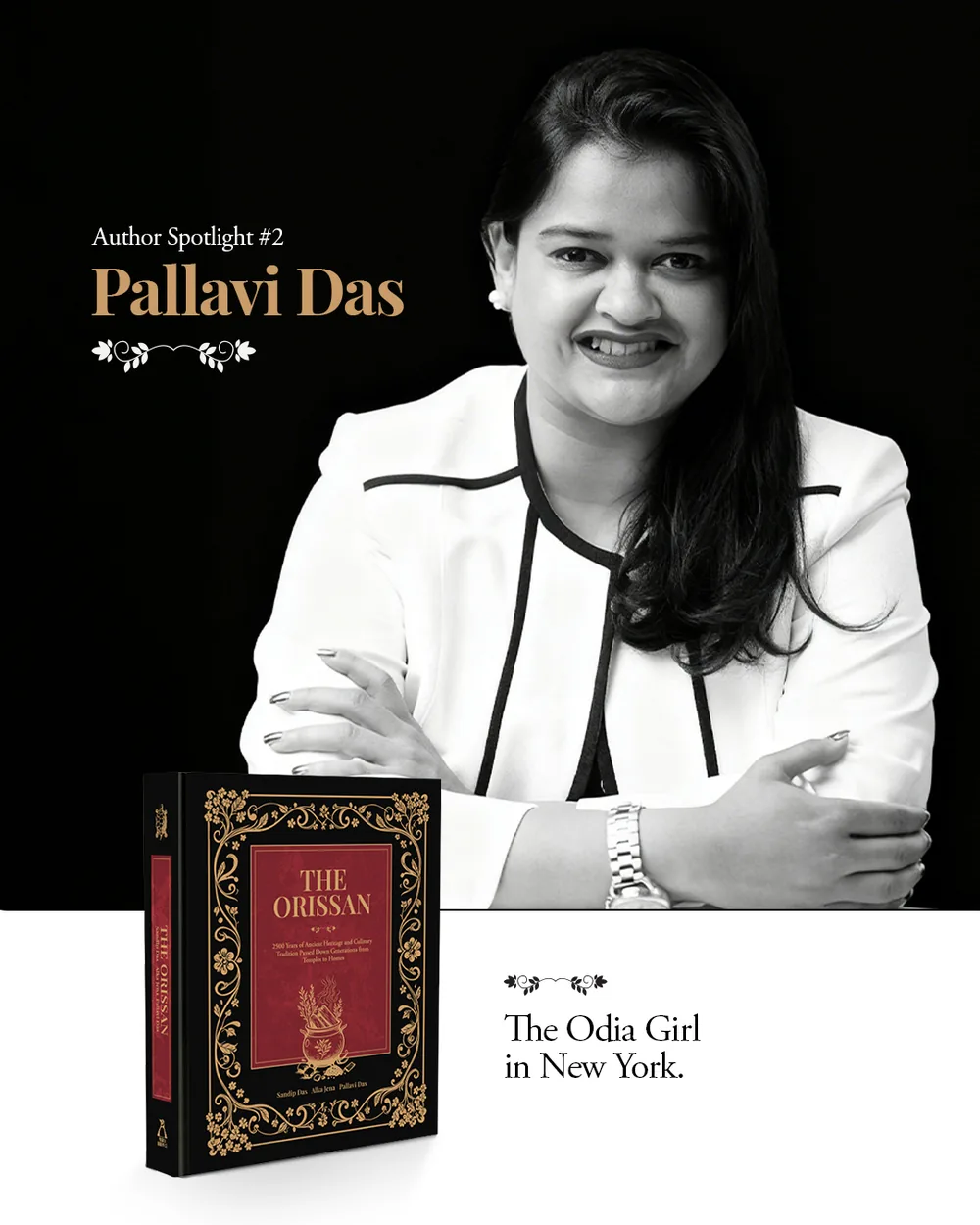
Raised across Mumbai, Malaysia and New York, she asked why no one wrote about Odia food. Her hand-drawn illustrations read like a granddaughter’s notebook.
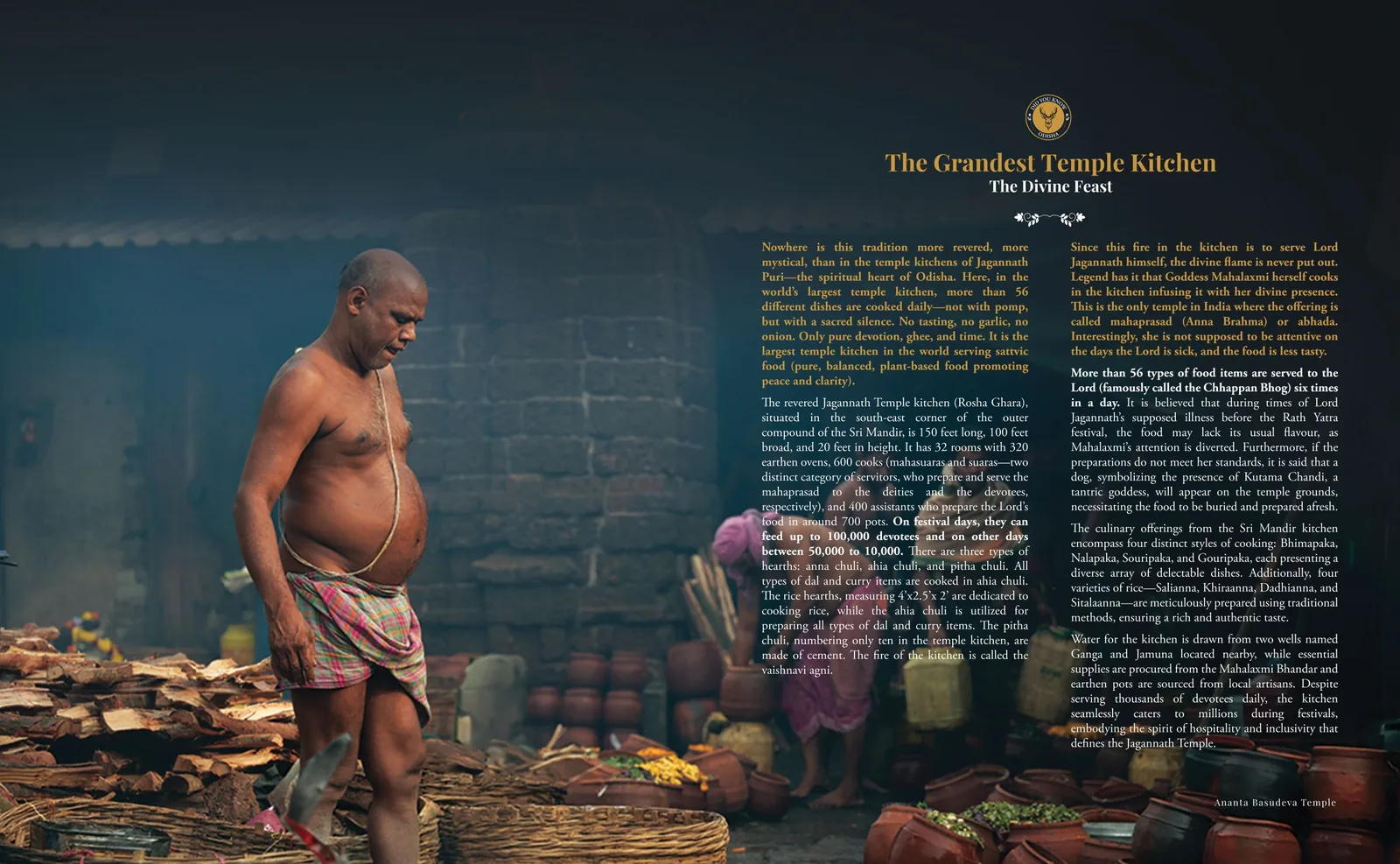
The Jagannath Temple kitchen feeds its deity 56 dishes a day from 752 earthen ovens. A number like that cannot be dropped into a paragraph; it has to be built into a spread that lets you feel the scale first.
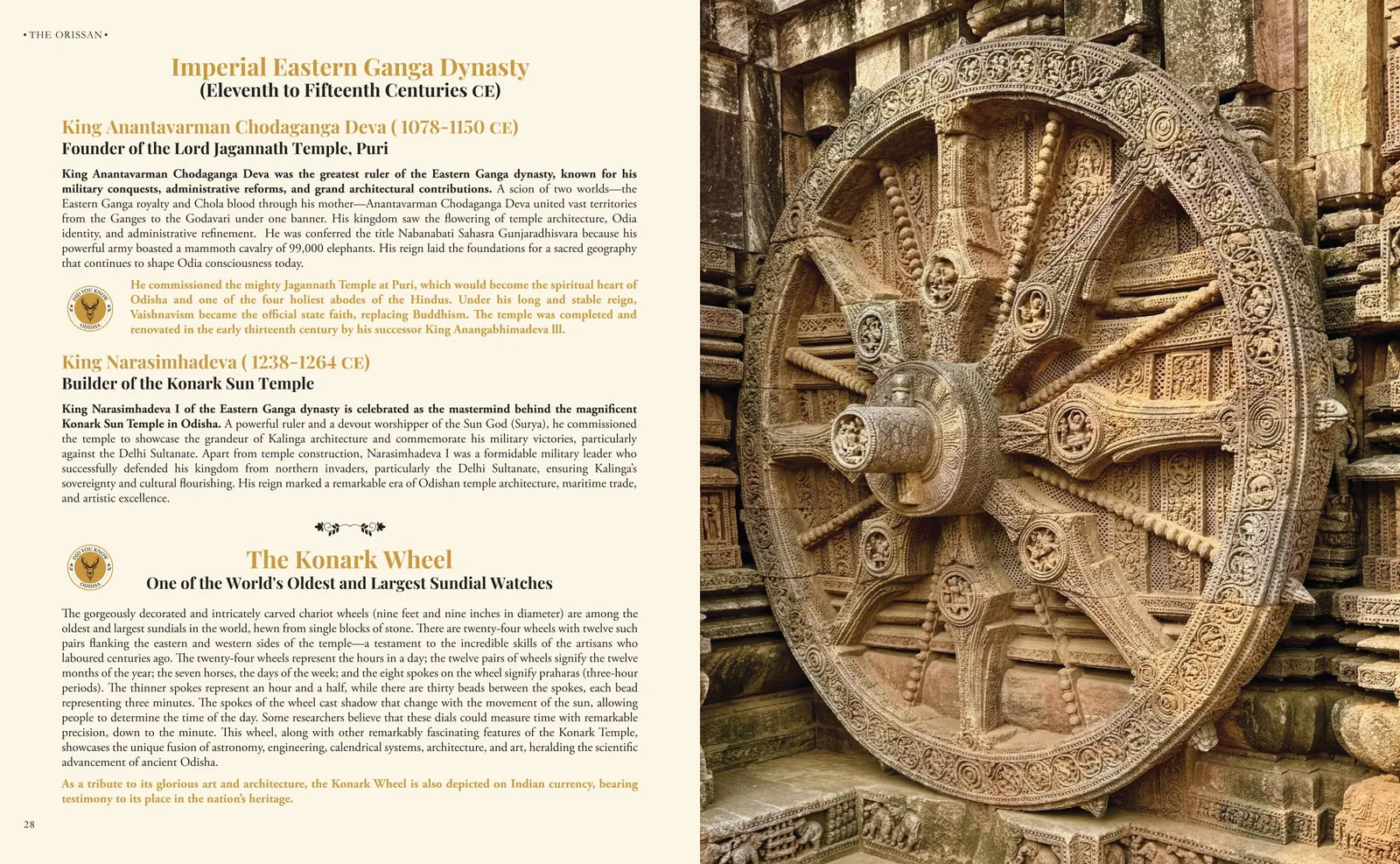
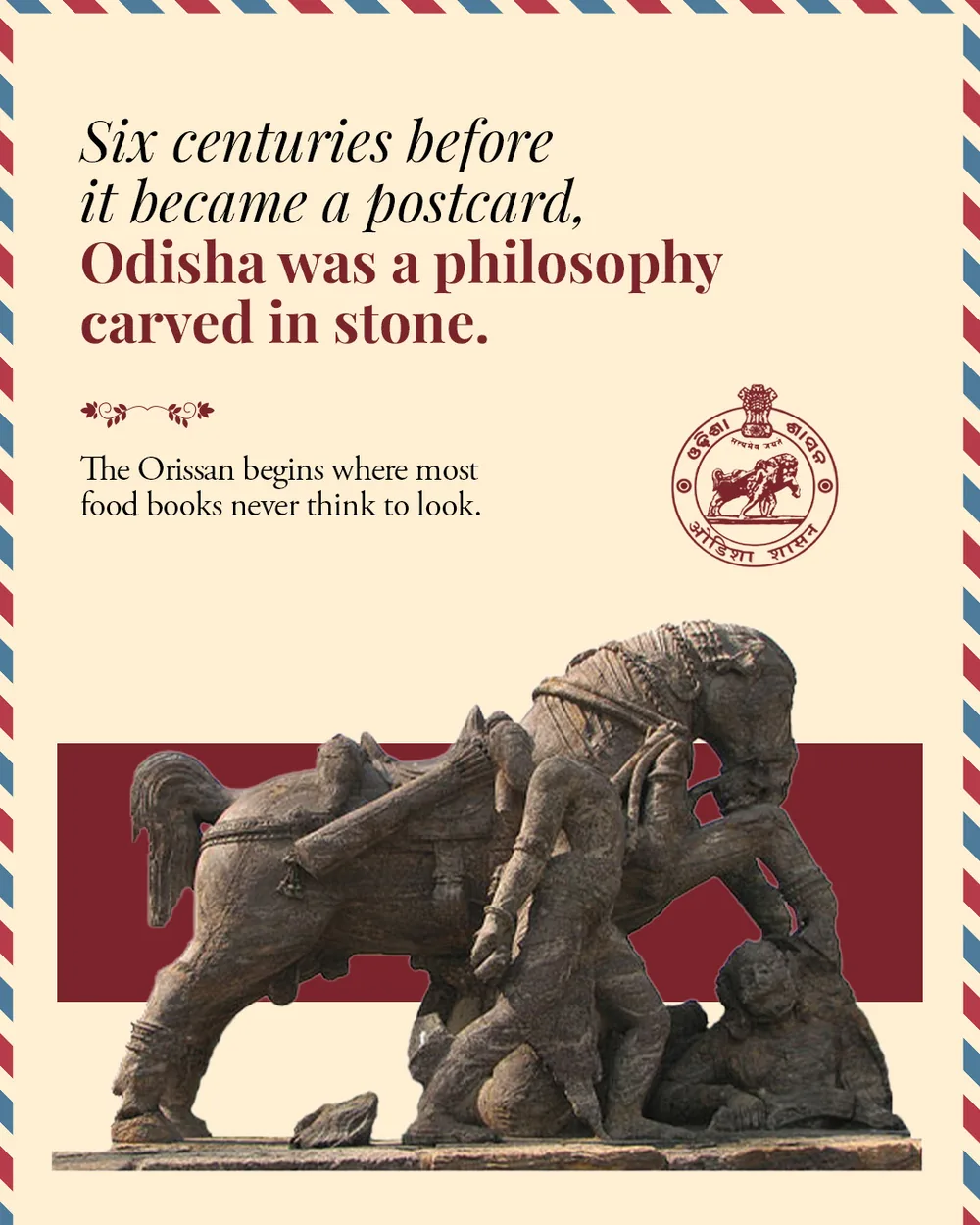
The same discipline ran through every thread. Kharavela’s Kalinga could not blur into Ashoka’s, the Konark wheel had to feel monumental, and illustrated kings were redrawn until they read as history rather than fantasy.
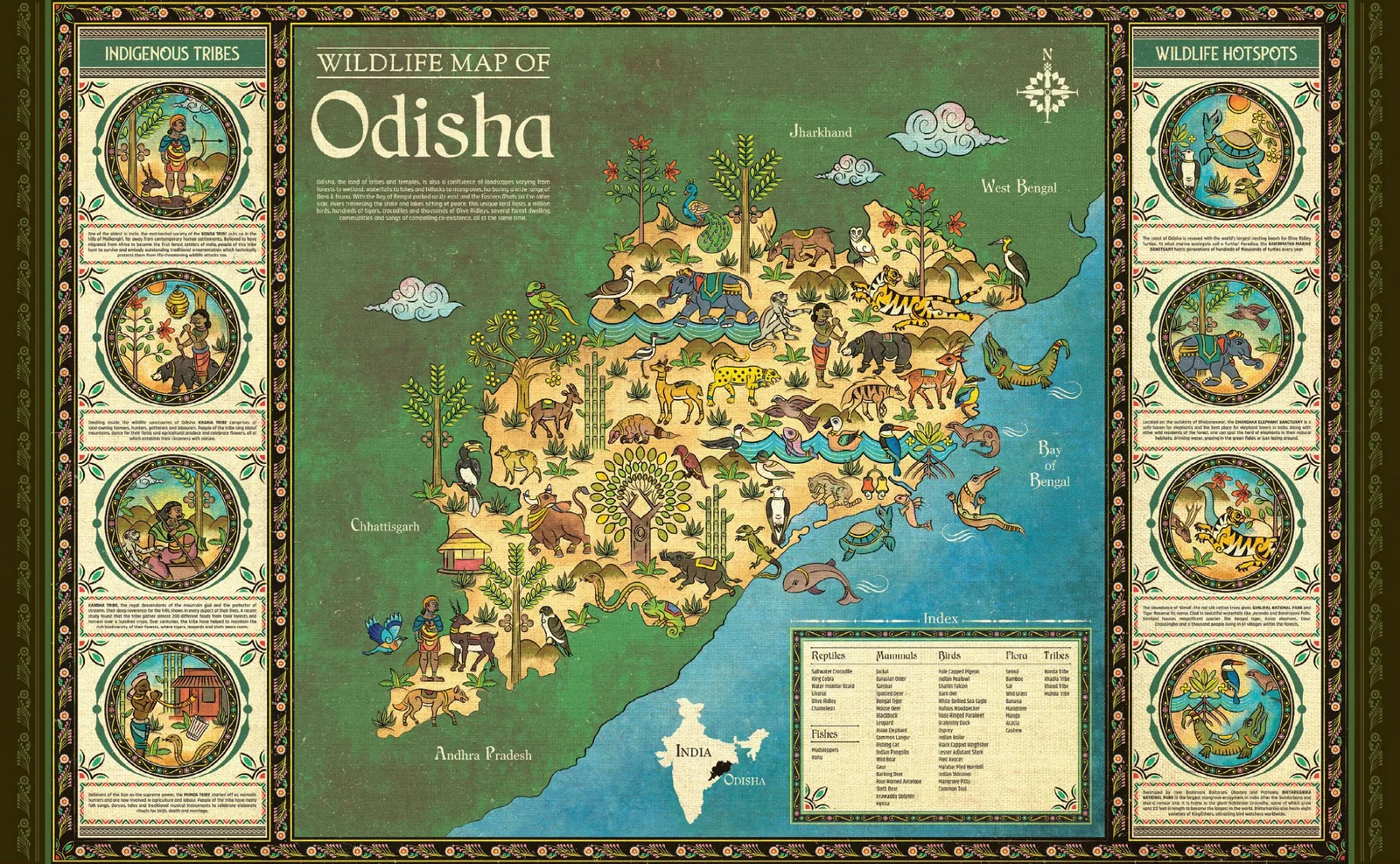
The Grandest Temple Kitchen, the Konark wheel, Kalinga’s maritime voyages and a hand-illustrated wildlife map of Odisha.
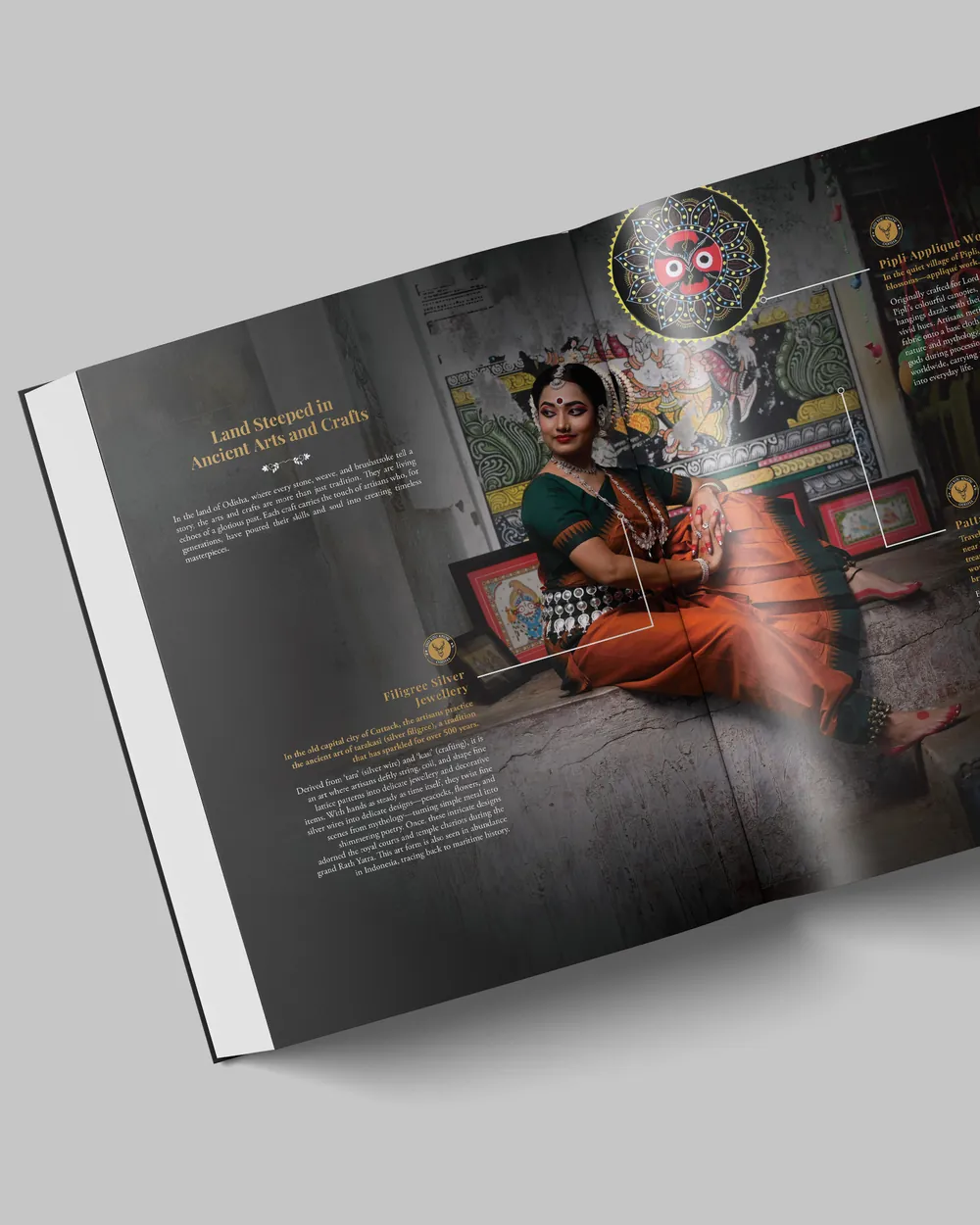
Gold-ruled quote boxes, “did you know” callouts and chapter separators keep 376 pages coherent.
Timelines, sea routes and a wildlife map make 2,500 years readable at a glance.
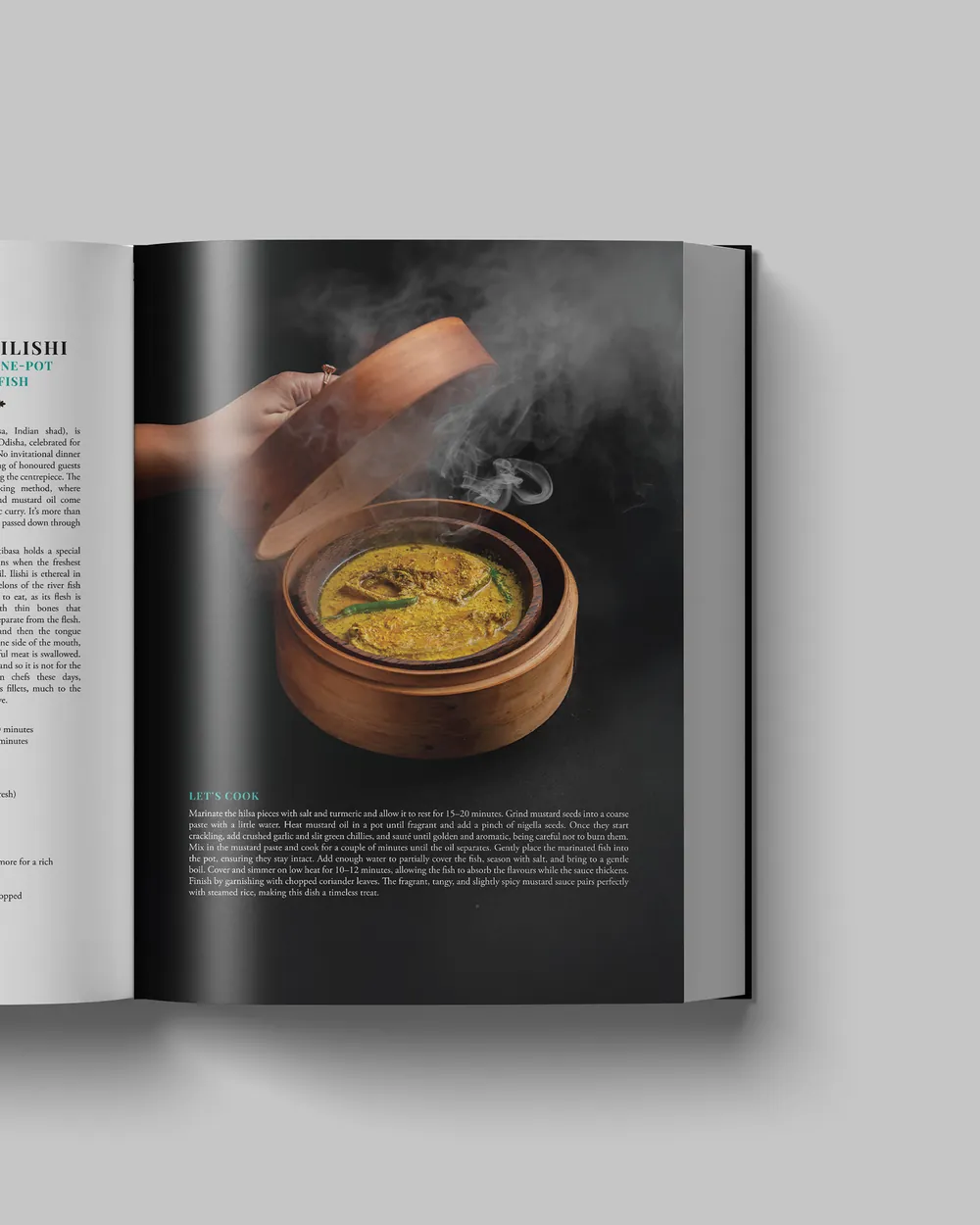
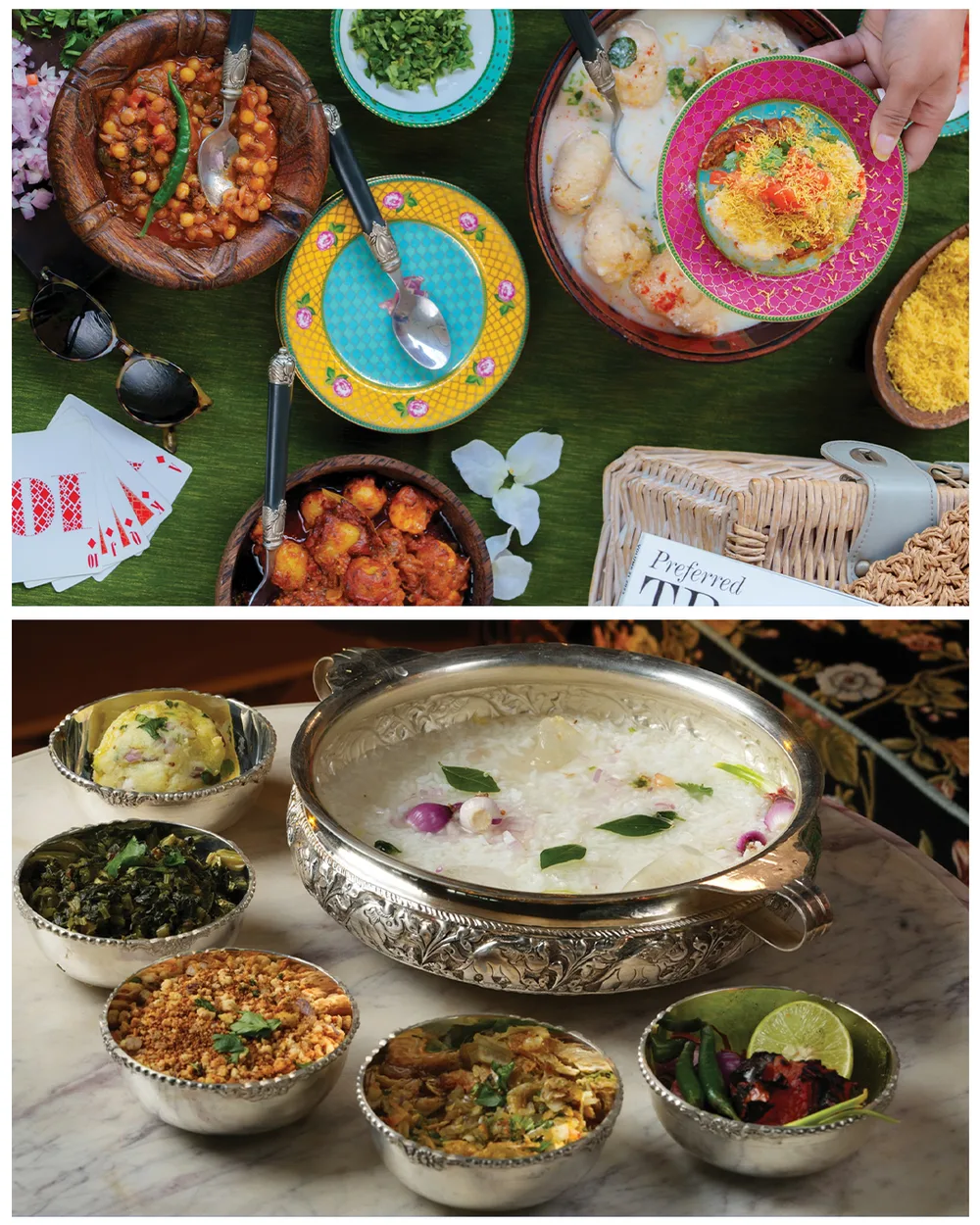
116 recipes, art-directed to sit beside temple history as one book.
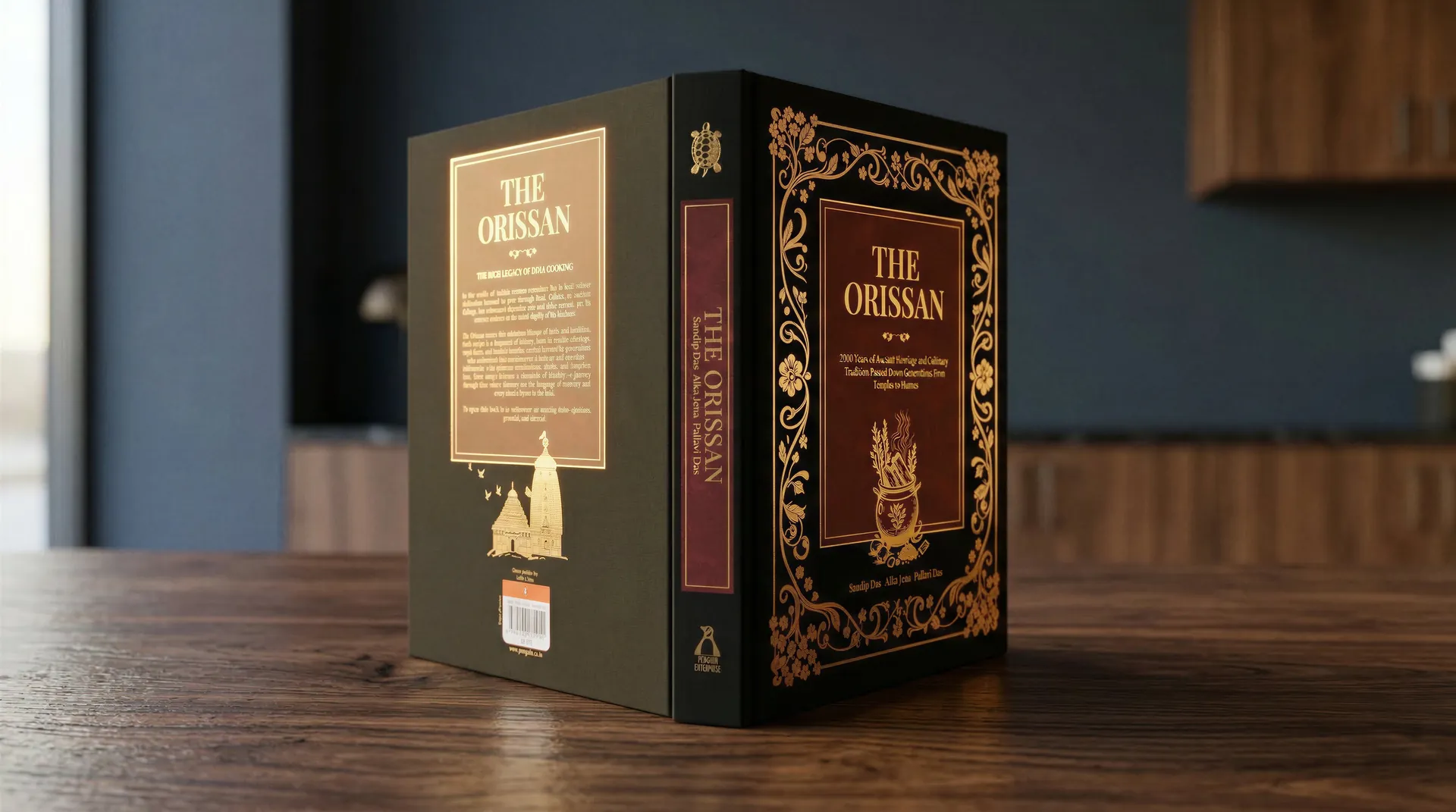
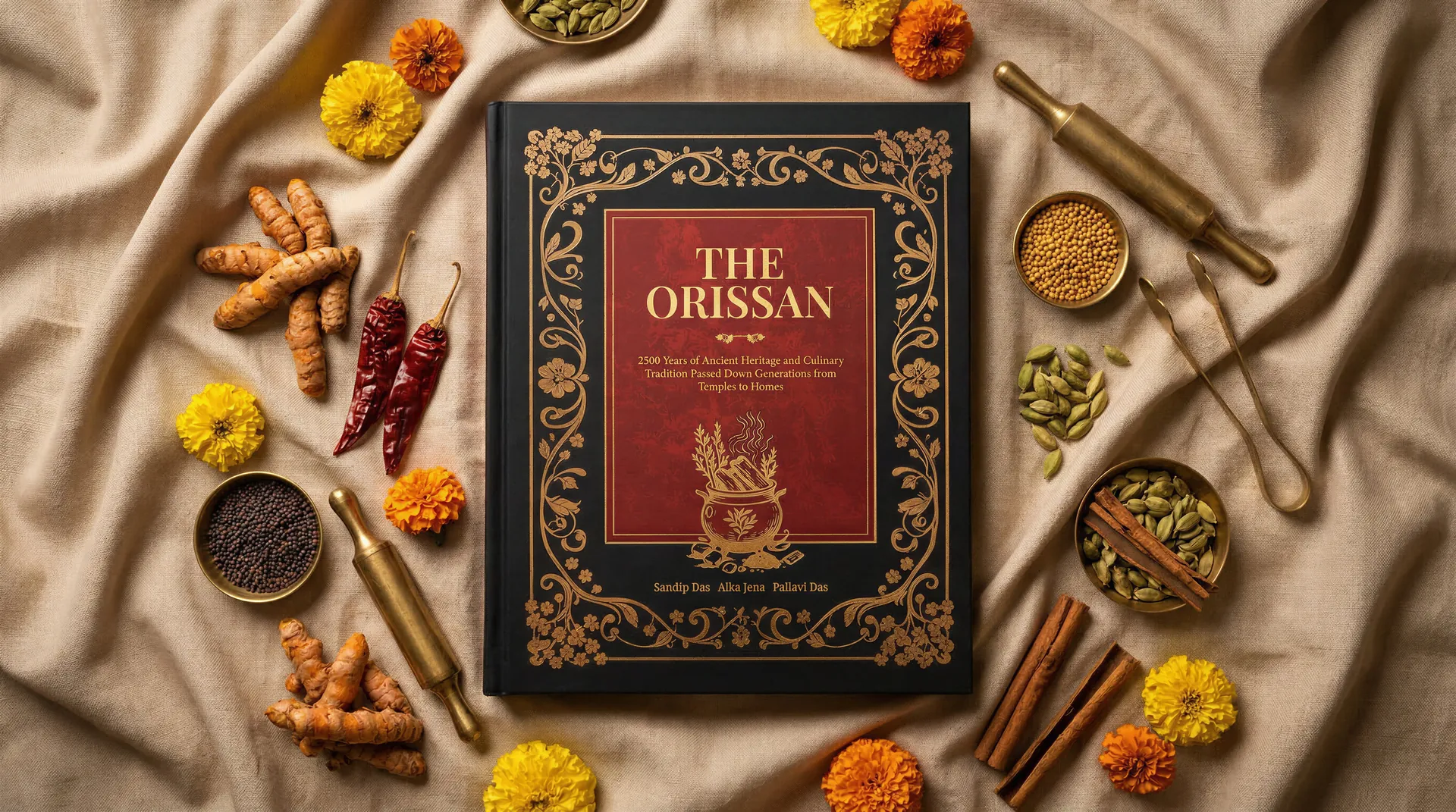
Gold filigree on black, a deep red panel for the title, and the steaming pot that became the book’s mark: an heirloom on a coffee table that still reads as an Amazon thumbnail.
Cover design by Enki.Studio, published by Penguin Enterprise.
The book needed an entrance before a single copy shipped. In our title reveal the book opens and Kalinga’s armies rise off its pages. It announced The Orissan in March, three months before the trade launch.
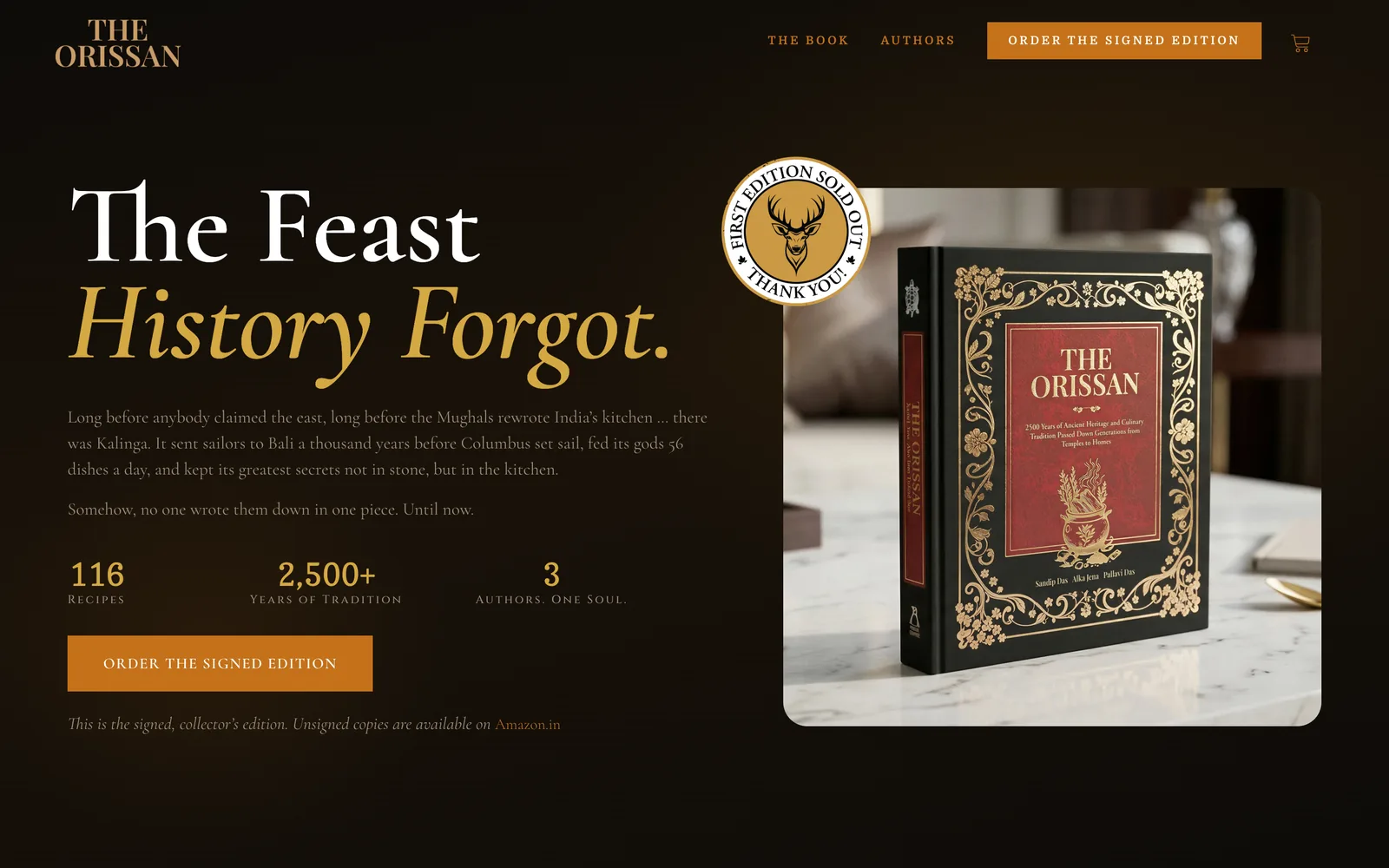
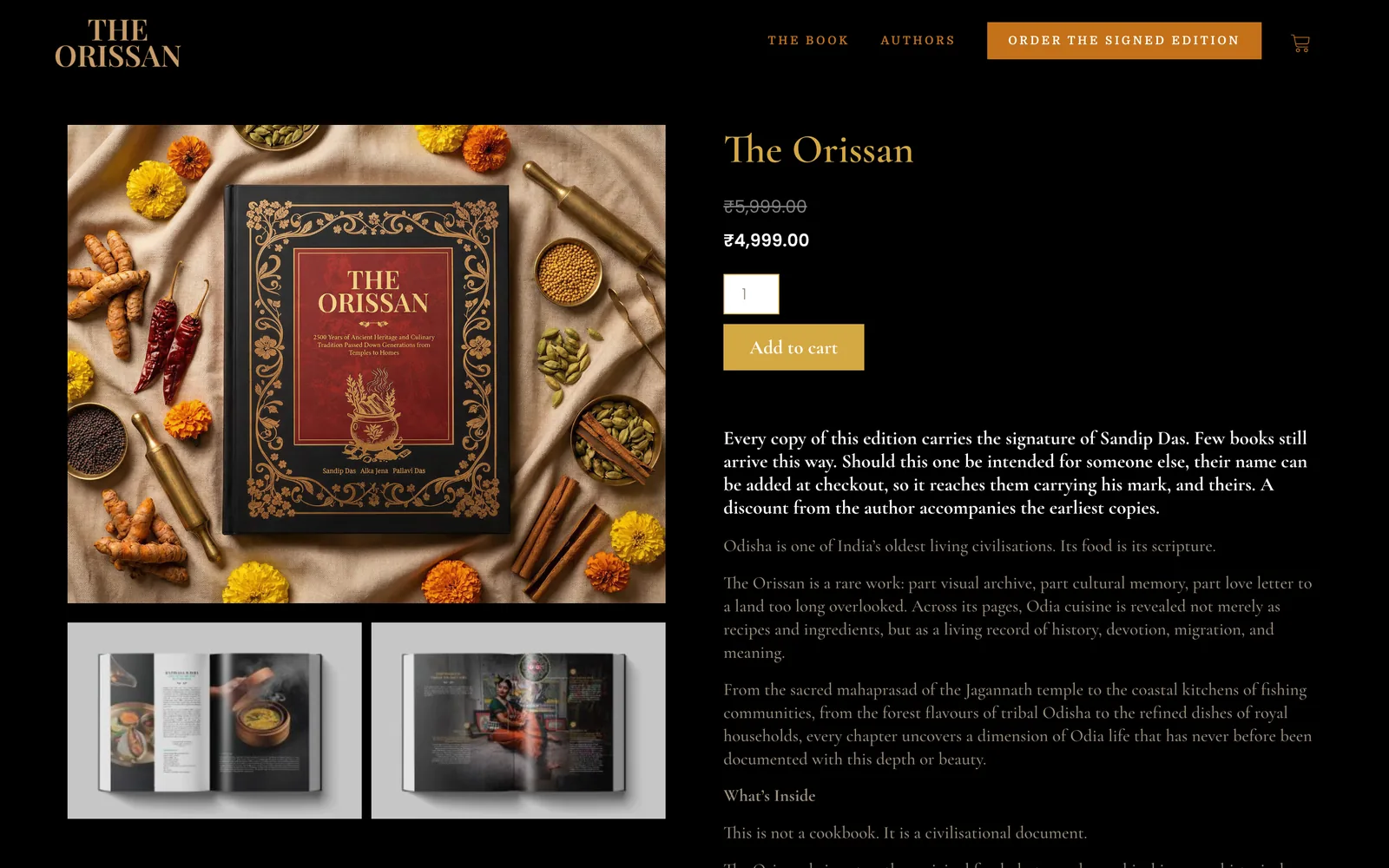
We designed and built theorissan.in as a dark, gold-foiled storefront that carries the cover onto the screen. It took pre-orders before the trade release and now sells the author-signed collector’s edition, while unsigned copies route to Amazon.
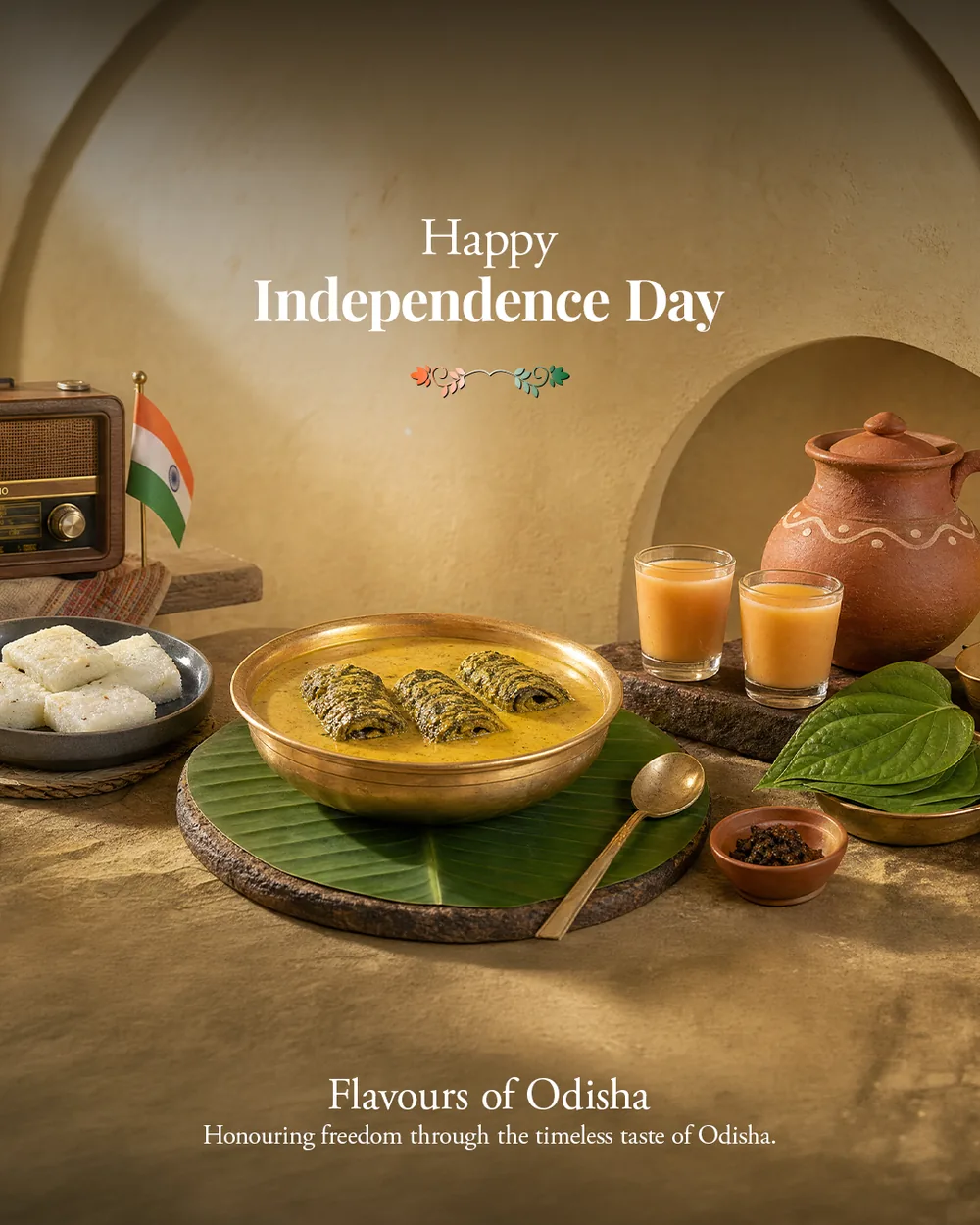
We run @theorissan, turning chapters into short films people stop scrolling for. Podcast conversations with the authors are cut into reels and paired with visuals of the stories they tell, each checked against the book before it goes out. Around them sit author spotlights, Amazon A+ content, award entries and event backdrops.
Reverence and rigour are not opposites. The most respectful thing a design team can do with an inheritance this old is refuse to treat it gently: every fact checked, every illustration corrected until it was right. This story had survived by word of mouth, alive in kitchens and temples but absent from the record. Our task was to give it its first proper telling on the page.
The Orissan was published by Penguin Enterprise, an imprint of Penguin Random House India, with its trade launch on 15 June 2026. The first edition has sold out. Endorsements include Amitabh Kant, M.J. Akbar, Chef Sanjeev Kapoor, Jnanpith laureate Pratibha Ray and serving ministers of Odisha and the Government of India.
What began as one family’s attempt to write down recipes before they were lost became the case for a civilisation that never needed to shout. It was never forgotten. Now it is remembered.